A foreign-language menu should help a guest understand what will arrive at the table. Translating the name alone is often not enough. Keep the dish's recognizable name when useful, add a short explanation of the ingredients and preparation, and verify that the translated text matches your kitchen's version.
Start with the languages your guests need
Ask your front-of-house team which languages guests request. Start with one or two that you can review well, then add more as needed. GetFreeMenu supports a 19-language menu experience, but publishing more languages does not replace checking the information in them.
Make the source menu easy to translate
Write the dish name, main ingredients, cooking method and portion clearly before using a translation tool. Separate a specific dish name from its description. Avoid relying on puns or claims such as “the best” to explain what the guest is buying. Keep prices and currency consistent with the source menu.
Examples: keep the name and explain the dish
The examples below are editorial wording examples, not a verified menu from a customer restaurant. Adapt them to your actual recipe; sauces and accompaniments can vary.
| Source name | English name or explanation | Detail to verify with the kitchen |
|---|---|---|
| ผัดไทยกุ้ง | Pad Thai with prawns — stir-fried rice noodles with prawns | Whether egg and peanuts are included |
| ต้มยำเห็ด | Tom yum mushroom soup — Thai hot and sour mushroom soup | Stock and seasoning ingredients |
| ข้าวผัดไก่ | Chicken fried rice | Portion size and included garnish |
| 焼き鳥 | Yakitori — grilled chicken skewers | Number of skewers and sauce or salt option |
| 担々麺 | Tantanmen — noodles in a seasoned broth | Meat, sesame, spice level and broth ingredients |
“Tom yum mushroom soup” describes a dish; it does not establish that the stock is vegetarian. Similarly, the name of a noodle dish does not tell you every ingredient in its sauce. Check the recipe and discuss ingredient questions with the people preparing the food before adding dietary or allergen statements.
Build a small translation glossary
Use the same term for recurring ingredients, cooking methods and portion labels. A glossary can be a simple document with the source term, approved translation and a note. For example, decide how to distinguish a bowl from a sharing platter, or a single skewer from a set. Keep proper names consistent so a guest can match a recommendation to the menu.
Review the translation in context
- Check that the protein, cooking method and portion match the source.
- Review sauce, stock, garnish and optional additions with the kitchen.
- Keep amounts, currency and prices consistent.
- Ask a fluent reviewer to check natural wording and ambiguous dish names.
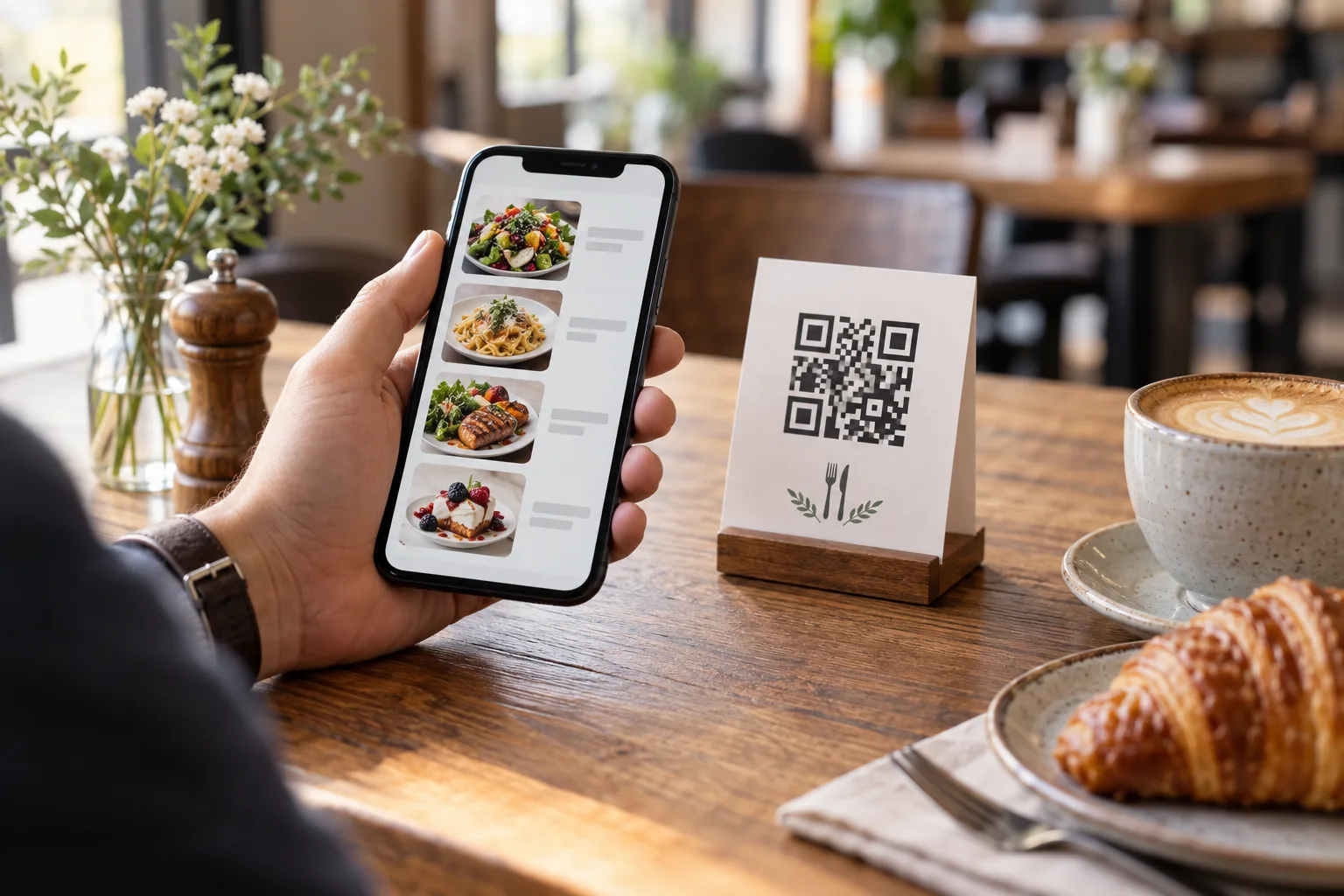
- Open the public menu on a phone and read complete item descriptions.
Automatic translation can provide a draft. It should not be the final authority for ingredient information. When your recipe changes, review the related translations as part of the same update.
Publish a multilingual QR menu
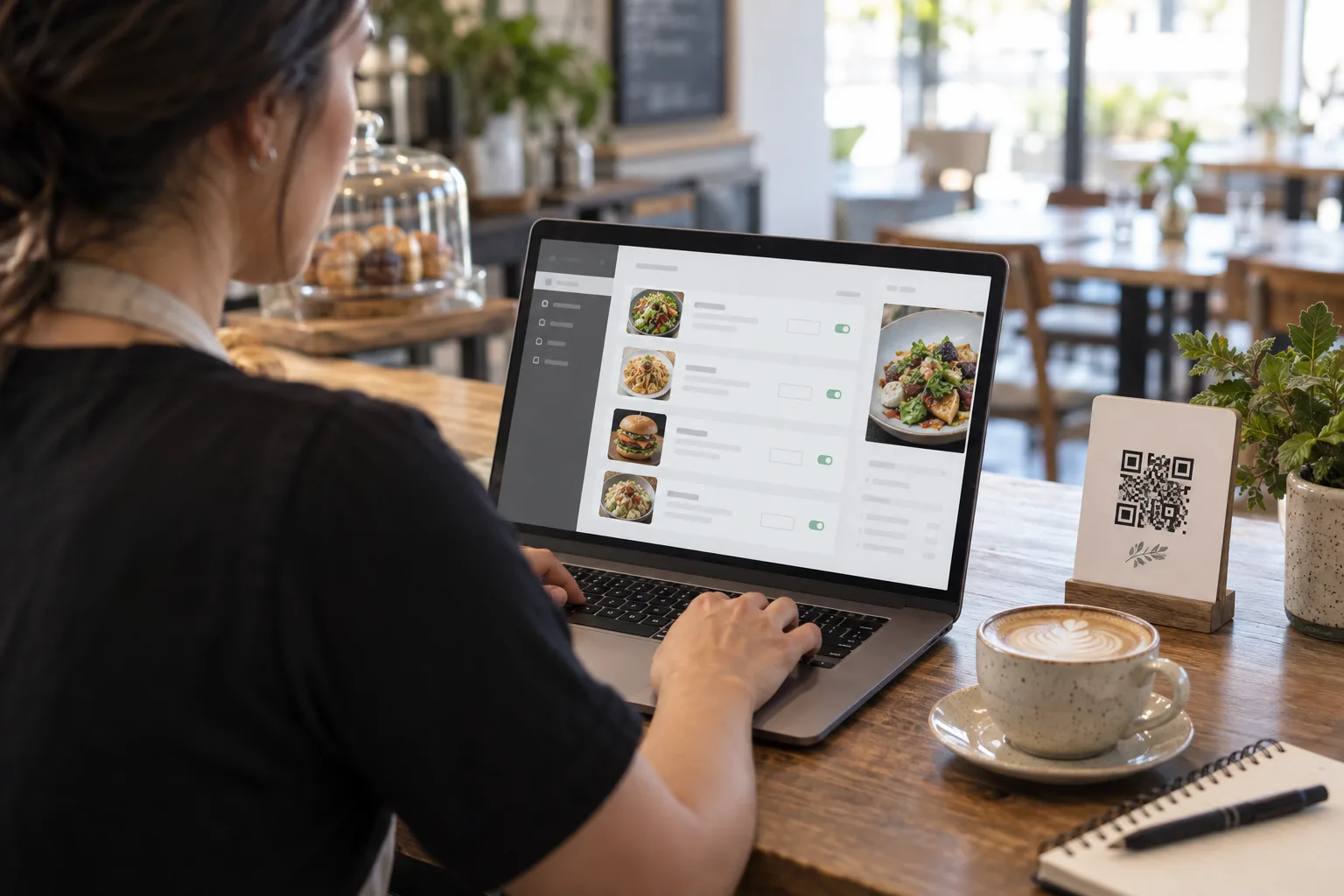
Create your account, complete verification and create the restaurant. Add the source categories, items and prices first. Use the menu translation controls to add the languages you need and review the translated fields. Open the public-menu preview and switch through those languages before sharing the link.
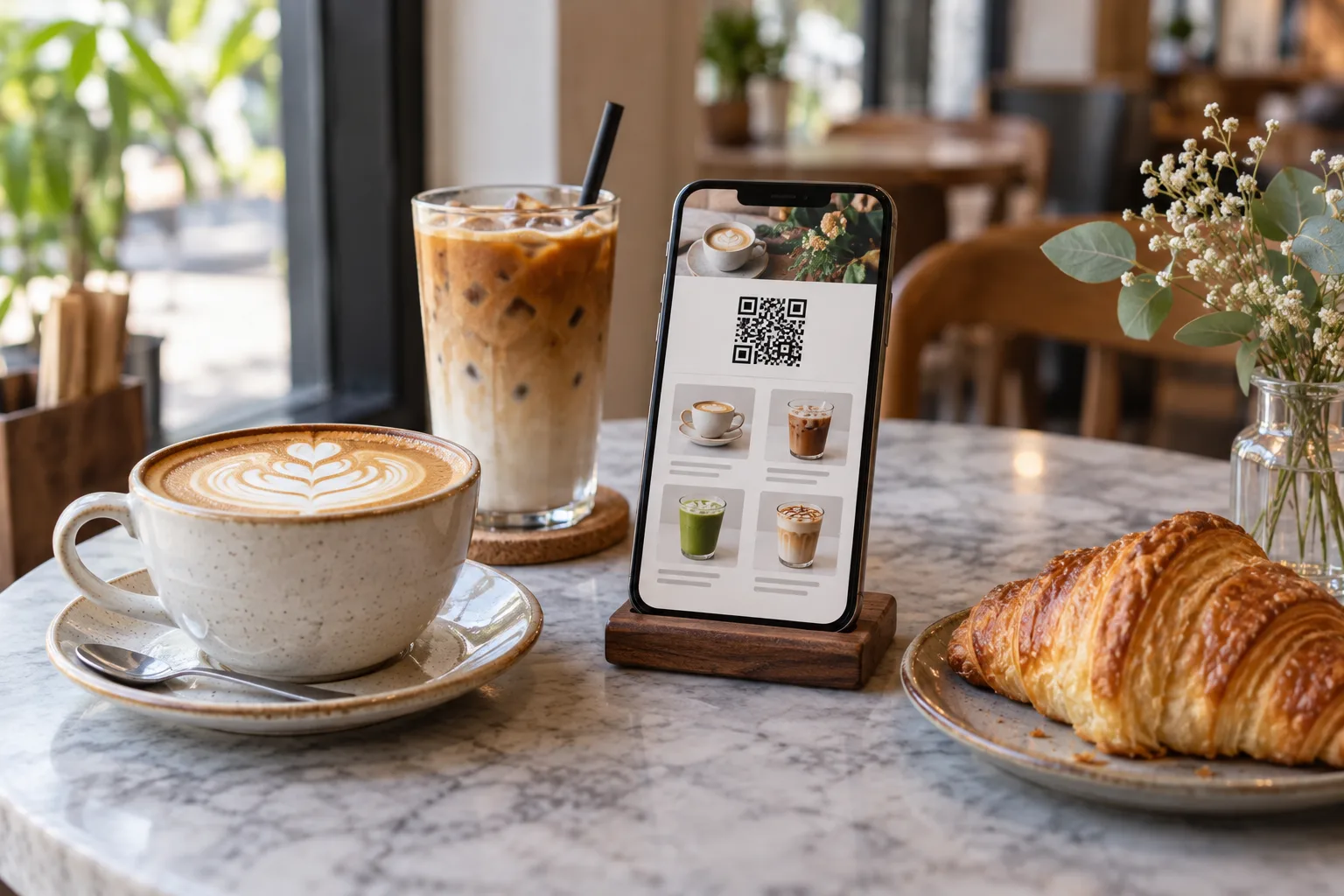
Guests can use the menu's language selector after opening your public link. You can keep the same public-menu QR when editing its content, as long as the destination URL stays unchanged. Follow the first-menu setup guide for the print test and the price-update checklist when prices change.
Check usefulness after publishing
Ask staff which dish names still cause questions and improve those descriptions. Treat menu language views as viewing behavior, not proof of a guest's nationality or a guaranteed increase in sales. Check spelling, language choices and the live menu whenever you add a seasonal dish. See Free QR Menu and the current plans for core menu features and optional upgrades.
Frequently Asked Questions
What are foreign-language menus for?
They help guests read dish names and descriptions in a language they understand. Clear translations explain the food, portion and relevant ingredients.
Should I translate a dish name literally?
Keep a recognizable name when useful and add a short explanation. A literal word-for-word name may not describe the dish accurately.
Can I rely on automatic translation alone?
Use it as a draft and review the result. Verify ingredients with the kitchen and have a fluent reader check ambiguous names and descriptions.